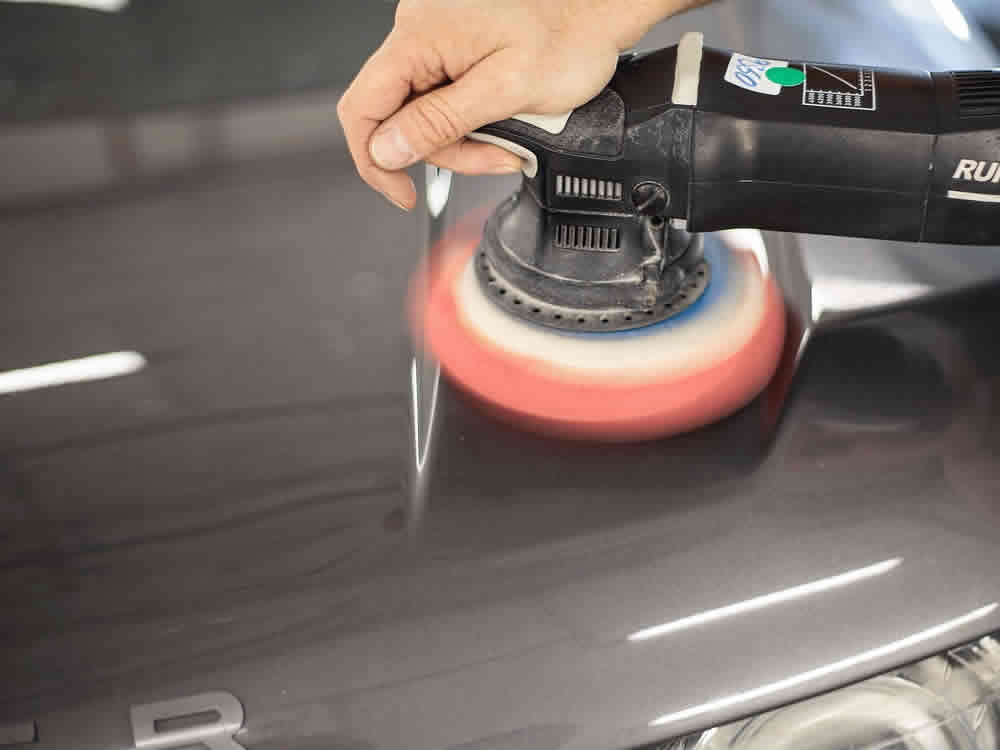
Discovering a dent on your car can be incredibly frustrating. Whether it’s a small ding on the car door, a more significant impact on the hood, or unsightly hail damage, these imperfections not only mar your vehicle's appearance but can also diminish its resale value. Fortunately, a solution is readily available: Dellen Reparatur (dent repair). This article will guide you through the intricacies of professional and DIY dent repair, helping you understand your options to restore your car's pristine condition efficiently and affordably.
Professionelle Dellen Reparatur: Wann Experten gefragt sind
For many car owners, the first thought after noticing a dent is to seek professional help. And for good reason. Professional Dellen Reparatur services offer expertise, specialized tools, and a guarantee of quality that is hard to match with DIY methods. Companies like the ones exemplified by the Austrian "Beulendoktor" network (with 28 locations) specialize in removing and repairing dents quickly, reliably, and professionally.
Der Ablauf einer professionellen Dellen Reparatur
The process for professional dent removal, especially using Paintless Dent Repair (PDR), is remarkably sophisticated:
- Joint Assessment: The process typically begins with you and a trained technician inspecting the dent together. This allows for a clear understanding of the damage's size, depth, and location.
- Fair Cost Estimate: Based on the assessment, a transparent and fair quote is provided. Factors influencing this cost will be discussed in detail below.
- Precision Repair Techniques: In most cases, dents are gently massaged or pushed out from the inside of the car. Alternatively, specialized adhesive tools can be used to carefully pull the dent out from the exterior. Crucially, these techniques are designed to avoid damaging your vehicle's original paintwork.
- Paint Application (If Necessary): A repaint is only required if the car's existing paintwork has been scratched or chipped alongside the dent. For purely aesthetic dents where the paint is intact, PDR ensures the original factory finish remains untouched.
- Quality Control: Post-repair, a rigorous quality check is performed, often using special lamps to ensure every imperfection has been meticulously addressed and the surface is flawlessly smooth.
Choosing a professional for Dellen Reparatur - Article 1 ensures peace of mind and often a quicker, higher-quality result, especially for more complex dents or those in hard-to-reach areas.
Kosten der Dellen Reparatur: Transparenz und Faktoren
One of the primary concerns for car owners is the cost of dent repair. While some worry it might be exorbitant, professional Dellen Reparatur, especially through PDR, can be surprisingly affordable, often significantly less than traditional body shop repairs that involve sanding, filling, and repainting.
Welche Faktoren beeinflussen die Kosten?
There's no single fixed price for dent repair, as costs depend on several key variables:
- Diameter and Depth: Naturally, larger and deeper dents require more time and skill to repair, thus increasing the cost. A small, shallow ding will always be cheaper to fix than a significant crease.
- Position of the Dent: Dents located on accessible panels like a door or fender might be easier to repair than those on complex structures such as a bumper, roof, or near body lines. These latter areas can demand more intricate techniques or require partial disassembly of parts.
- Type of Dent: Sharp, creased dents are generally more challenging to repair than soft, round ones. Hail damage, while numerous, often consists of smaller, rounder dents that can be systematically addressed.
- Material of the Panel: Aluminum panels, common in modern vehicles for weight reduction, can be more difficult and time-consuming to work with than steel, potentially affecting the price.
- Paint Damage: If the paint is also damaged, additional steps like touch-ups or repainting will be necessary, which adds to the overall cost.
As a general guideline, a small dent without paint damage could start from as little as €70. However, to get an exact figure, it's always best to request a personalized, no-obligation quote after a professional assessment. Most repair shops offer transparent pricing and various payment options, including cash, debit card, or even financing solutions, making the process hassle-free.
Dellen Reparatur DIY: Selbst zum Beulendoktor werden
Not every dent warrants a trip to a professional workshop. For smaller, less severe dents, many car owners consider a Do-It-Yourself (DIY) approach. Becoming your own "Beulendoktor" (dent doctor) can be a cost-effective and convenient way to tackle minor imperfections, saving you a workshop bill that could run into several hundred euros for even minor hail damage, as mentioned in some contexts.
Wann ist DIY Dellen Reparatur geeignet?
DIY Dellen Reparatur - Article 2 is typically suitable for:
- Small, shallow dents (e.g., parking dings, minor impacts).
- Dents where the paintwork is completely intact and undamaged.
- Areas that are relatively easy to access.
If you're dealing with larger dents, sharp creases, paint damage, or dents on complex body lines, it's usually best to consult a professional to avoid inadvertently causing further damage.
Schritt-für-Schritt Anleitung zur Dellen Reparatur mit einem Set
A typical Dellen Reparatur-Set (dent repair kit) contains everything you need: various-sized pulling tabs, a hot glue gun with specialized glue sticks, a pulling bridge or lever, and a plastic scraper for glue residue. The application is surprisingly simple:
- Preparation is Key: Begin by thoroughly cleaning the dented area and its surroundings. Use a degreaser or alcohol to ensure no wax, polish, or dirt interferes with the glue's adhesion. Plug in your hot glue gun and allow it to heat up fully.
- Select the Right Pull Tab: Your kit will have various pulling tabs. Hold them against the dent to determine the best fit. Ideally, choose a tab that is slightly smaller than the dent itself. This ensures the pulling force is concentrated effectively.
- Apply the Special Adhesive: Once you've chosen the tab, apply a generous amount of hot glue from the gun onto its flat surface. Make sure the glue covers the entire base of the tab and, if applicable, all four holes if your tab design includes them, for maximum adhesion.
- Attach the Tab to the Dent: Carefully and quickly press the glue-covered tab firmly onto the center of the dent. Hold it in place for 30-60 seconds to allow the glue to set and bond securely with the car's surface.
- Position the Pulling Bridge: Once the glue has cured (it should feel firm), place the pulling bridge over the tab. Ensure the feet of the bridge are resting securely on the car's surface, flanking the tab.
- Gently Pull the Dent Out: Engage the pulling mechanism (usually a screw knob or lever) on the bridge. Slowly and steadily turn the knob or pull the lever. You will often hear a popping sound as the dent pulls out. Do this gradually, checking the progress frequently. Avoid aggressive pulling, as this can over-pull the metal or even damage the paint.
- Release and Clean: Once the dent has popped out or significantly reduced, release the pulling mechanism. Carefully twist and pull the tab away from the surface. Use the provided plastic scraper and some alcohol to gently remove any residual glue from your car's paintwork and the pulling tab.
- Inspect and Repeat (If Necessary): Inspect the repaired area under good light (a special lamp can be helpful here too). For larger dents, you might need to repeat the process with a different-sized tab or by adjusting the placement to get a perfectly smooth finish.
With a bit of patience and adherence to these steps, you can achieve excellent results, effectively restoring your vehicle's look without professional intervention.
Vor- und Nachteile von DIY vs. Profi Dellen Reparatur
Deciding between DIY and professional Dellen Reparatur boils down to weighing the pros and cons:
Professional Dellen Reparatur:
- Pros: Guaranteed high-quality results, handles complex dents, no risk of paint damage, often quicker for significant damage, convenient (you drop off the car).
- Cons: Generally more expensive, requires a trip to a workshop.
DIY Dellen Reparatur:
- Pros: Cost-effective, convenient (can be done at home), empowering for minor dents, readily available kits.
- Cons: Risk of improper repair or further damage if inexperienced, limited to smaller, simpler dents, results may vary depending on skill, requires time and effort.
Ultimately, the best approach depends on the severity of the dent, your budget, and your comfort level with car repairs. For complex or cherished vehicles, professional Dellen Reparatur - Article 3 remains the safest bet. For minor blemishes, a DIY kit can be a very satisfying solution.
Don't let unsightly dents detract from your vehicle's appearance or value. Whether you opt for the precision of a professional "Beulendoktor" or decide to tackle smaller imperfections yourself with a reliable Dellen Reparatur-Set, effective solutions are available. By understanding the processes, costs, and the factors involved, you can make an informed decision and restore your car to its pristine condition. A little effort can go a long way in maintaining your vehicle's aesthetic appeal and preserving its worth for years to come.